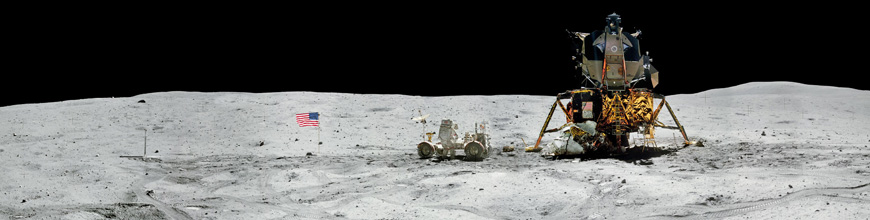
“We choose to go to the moon”

I was told when I was a kid that Senator John Kennedy once held me – an infant at the time – during his presidential campaign in 1960. I heard about it years later, when my mother wondered whether we should donate our Super 8 film of the event to the JFK Library that was finally being built in Boston. We sometimes vacationed on Martha’s Vineyard – just summer weekend trips, I think – taking the ferry from Hyannis, where the Kennedy compound was, so I imagine it probably happened there, perhaps on Saturday, 25 June 1960, the single public appearance in Hyannis that’s listed in his campaign schedule that summer. I would have been six weeks shy of my first birthday.

Seventeen years later, after the data processing head at my high school did some lobbying with John’s brother, Edward Kennedy, the Senator (well, people in his office) magnanimously offered me a grant of four years’ tuition, room, and board at the University of Massachusetts. That would have been swell, but U. Mass. didn’t have a computer science curriculum at the time, so I passed.

So I feel a small personal affinity for the Kennedys. Though these connections are distant and tangential, that affinity feels closer and more direct whenever I listen to John’s full “We choose to go to the moon” speech at Rice University in 1962. It remains stirring, and tingles the spine when you know the triumphs and tragedies that were to follow.

Ted Sorensen, Kennedy’s “intellectual blood bank”, wrote the initial drafts of the speech and edits by both Sorensen and Kennedy followed. Kennedy also made some handwritten adjustments before delivering it, including a last-minute joke on the page below. The complete story of the speech is in this article at the JFK Library.

If you follow along with the copy of the speech Kennedy was reading from that day, which appears on pages 25-42 in this document archive from the JFK Library, you’ll see that in the last couple of minutes, he paused, abandoned the text, and spoke in a more conversational manner, commenting first on the sweltering heat and clapping his hands for effect at the end of this part:

I’m the one that’s doing all the work, so we just want you to stay cool for a minute. However, I think we’re going to do it, and I think we must pay what needs to be paid. I don’t think we ought to waste any money, but I think we ought to do the job. And this will be done in the decade of the ’60s. It may be done while some of you are still here at school at this college and university. It will be done during the terms of office of some of the people who sit here on this platform. But it will be done, and it will be done before the end of this decade.
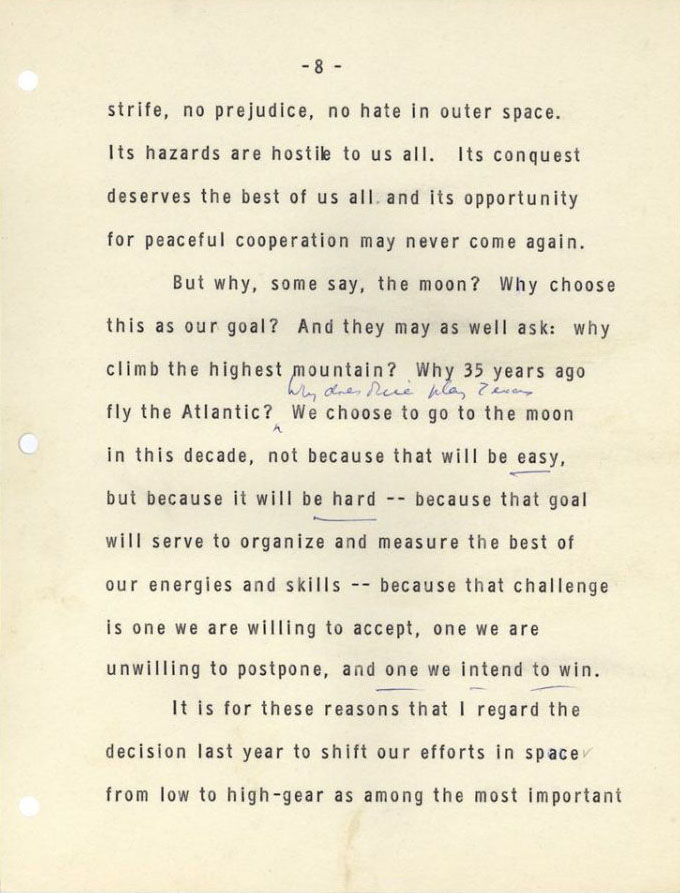
The full text of the speech as actually delivered is available here.
“Whatcha got in the bag, Mike?”

From Carrying the Fire by Mike Collins:

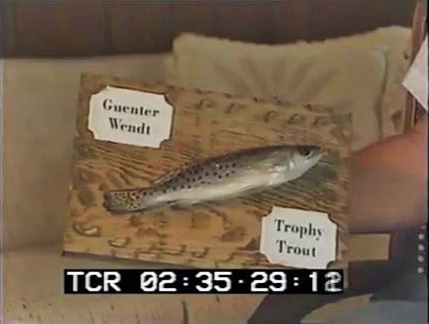
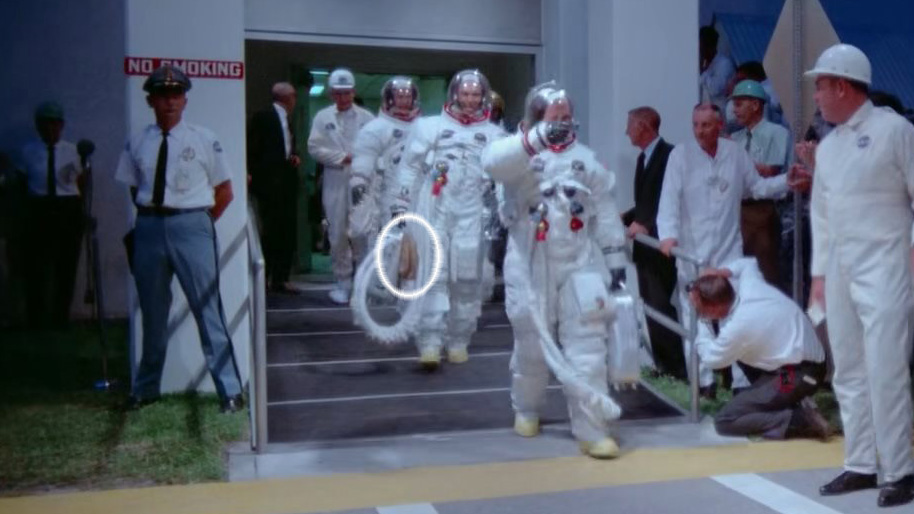
The security people have roped off a walkway for us, and we give jerky little waves to the photographers as we walk stiff-legged toward the van. Charlie Buckley, the head security man at the Cape, is there to greet us—another little pre-flight ritual. There are certain amenities to be observed, such as presenting Guenter Wendt, the czar of the launch pad, with a going-away present. Guenter has spent the past couple of weeks telling me what a great fisherman he is, and how he regularly plucks giant trout from the ocean. In return, I have located the smallest trout to be found in these parts, a minnow really, and have had it, uncured, nailed to a plaque and inscribed GUENTER’S TROPHY TROUT. I carry it now inside a brown paper shopping bag, which Charlie Buckley eyes suspiciously. I am a bit nervous about it myself. What if my awkward gloved hands drop it and the trout tumbles out in front of all those photographers? They are here to see us leave the earth, with dignity and perhaps a little pomp, but what if their cameras instead record an ungainly scramble after a tiny dead fish? What would Walter Cronkite say?

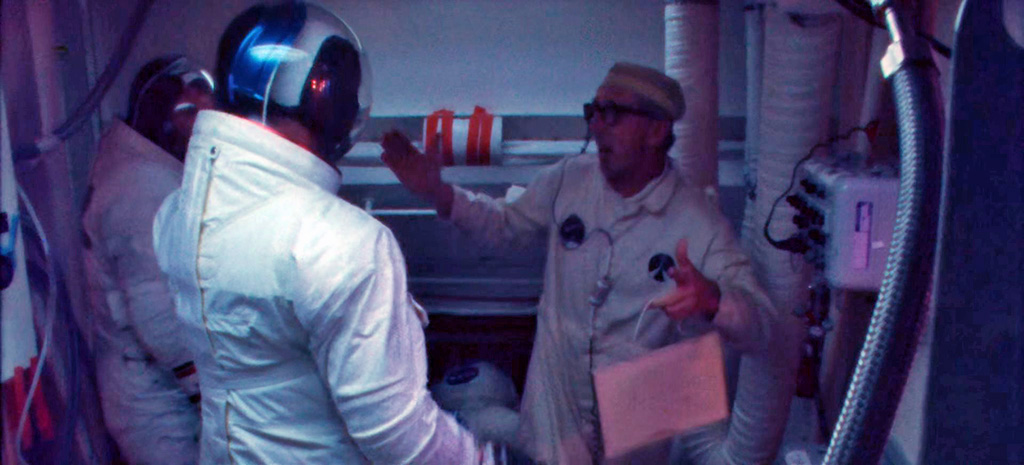
I knew about the trout, but after reading of it again the other day and then watching the new Apollo 11 film Blu-ray, my eyebrows shot up when I saw he had good reason to be nervous: The bag was safely upright as they left the Manned Spacecraft Operations Building, but when Collins turned left to follow Armstrong into the Astrovan (a converted Clark Cortez Motorhome), it caught on his Portable Oxygen Ventilator and tilted dangerously downward; another five or ten degrees and he would have let the trout out of the bag.

Click for a larger version

In the White Room, Guenter’s estimate of his fishing prowess:

Mike’s counter-estimate:

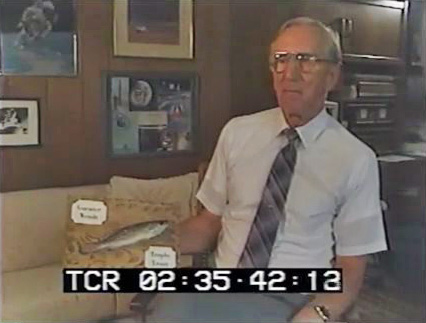
Wendt, who died in 2010, still had the trout when he was interviewed in 1992 below – after having it gutted and properly mounted, of course. The video is cued up to the trout bit.

Armstrong gave Wendt a voucher for a free ride in a space taxi and Aldrin presented a booklet called “Good News for Modern Man”, a condensed modern version of the New Testament. In 2015, the trout plaque, taxi voucher, and booklet sold at auction for US$10,625, $8,125, and $5,000, respectively.


“No ‘General’, just Mike. Old Mike if you want to be formal. And if you really want to get into it, Lucky Old Mike.”
– Collins during this interview at the National Press Club, April 2019

Io Saturnalia!

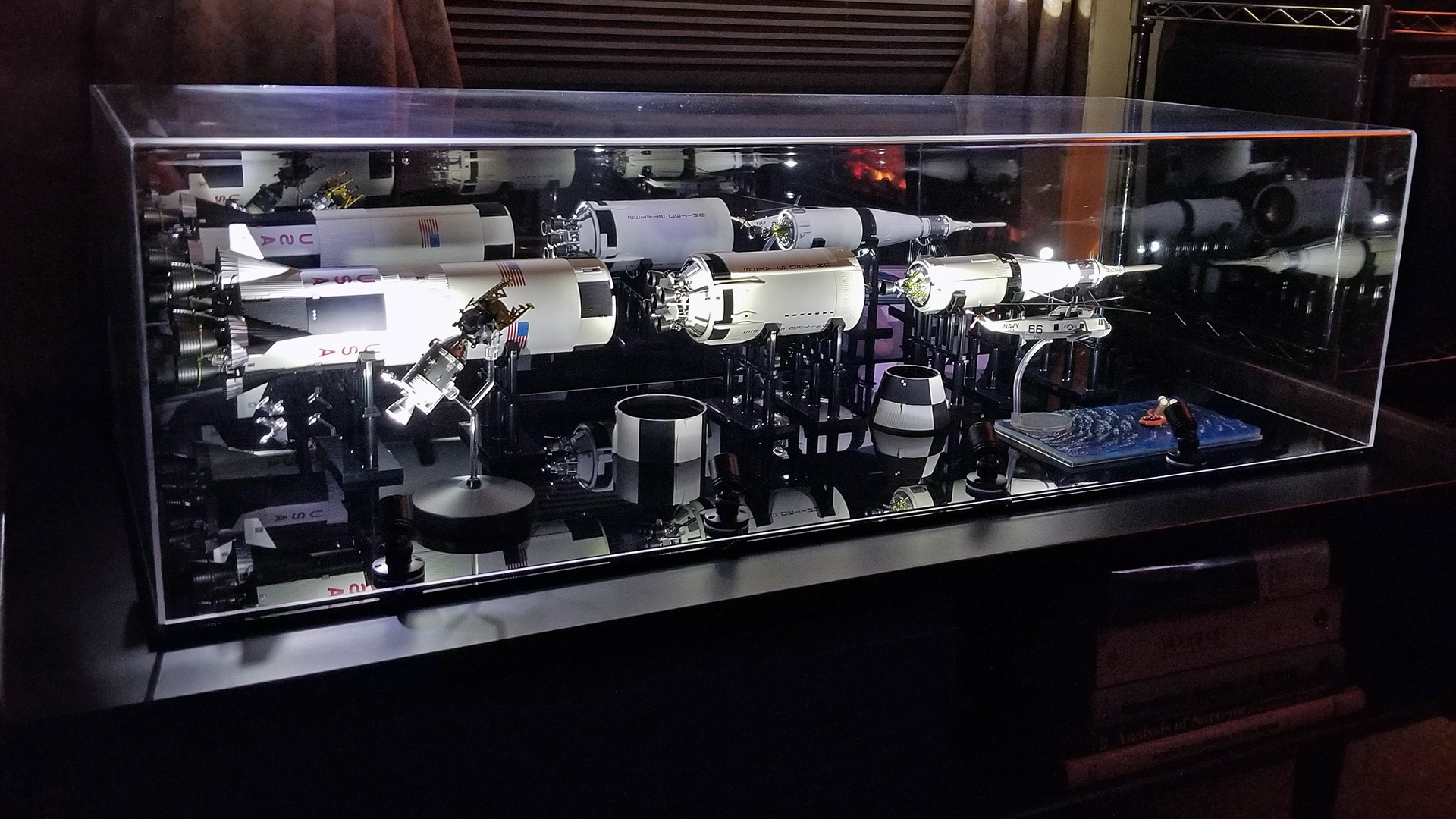
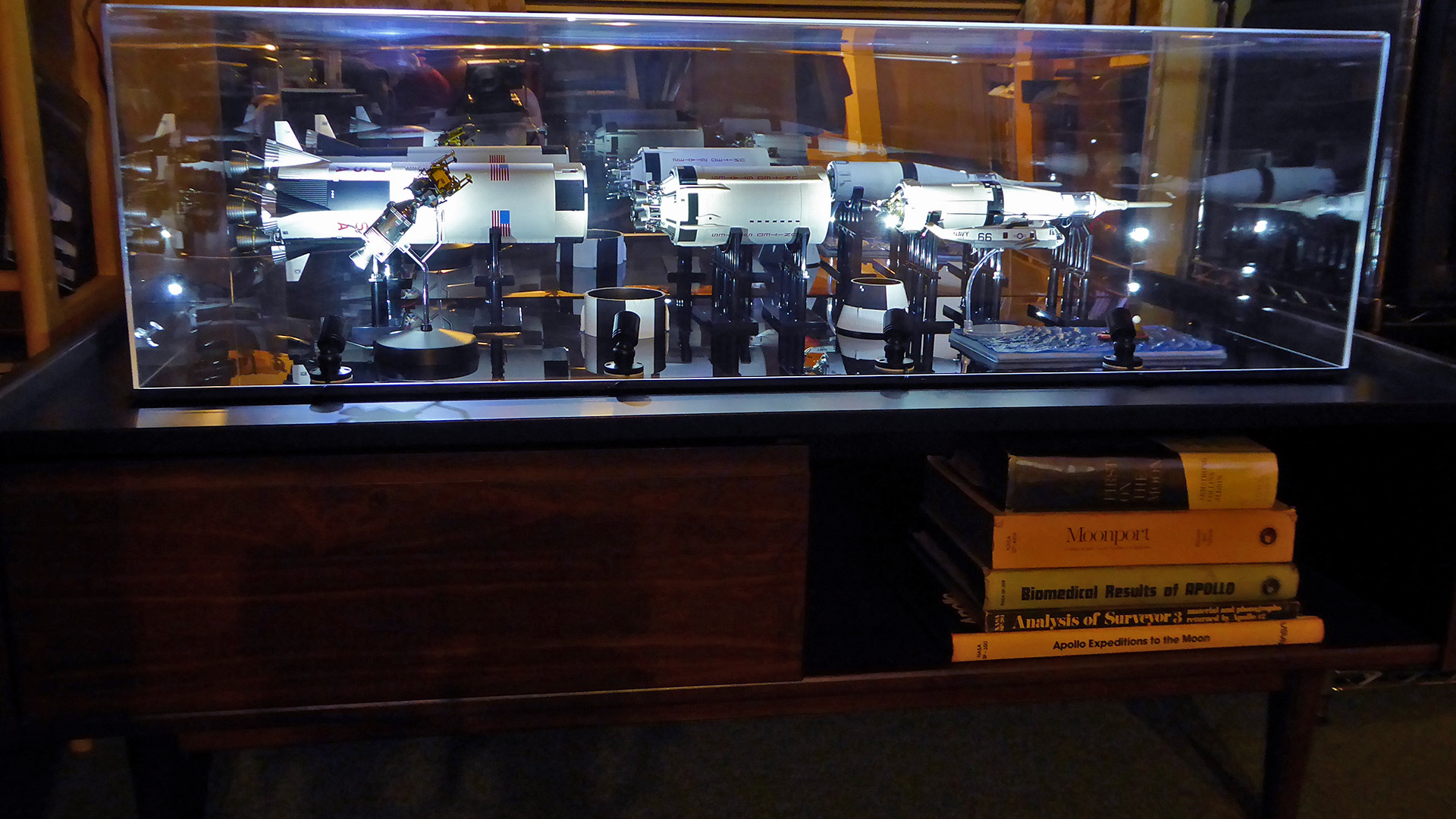
The new left-hand view from my couch as of yesterday

Note: You can click any of the pictures in this article to see a 1920×1080 version.

(“Io Saturnalia!”- the “io” pronounced “yo” – was the traditional greeting during Saturnalia, the late December Roman festival that Mary Beard discusses here.)

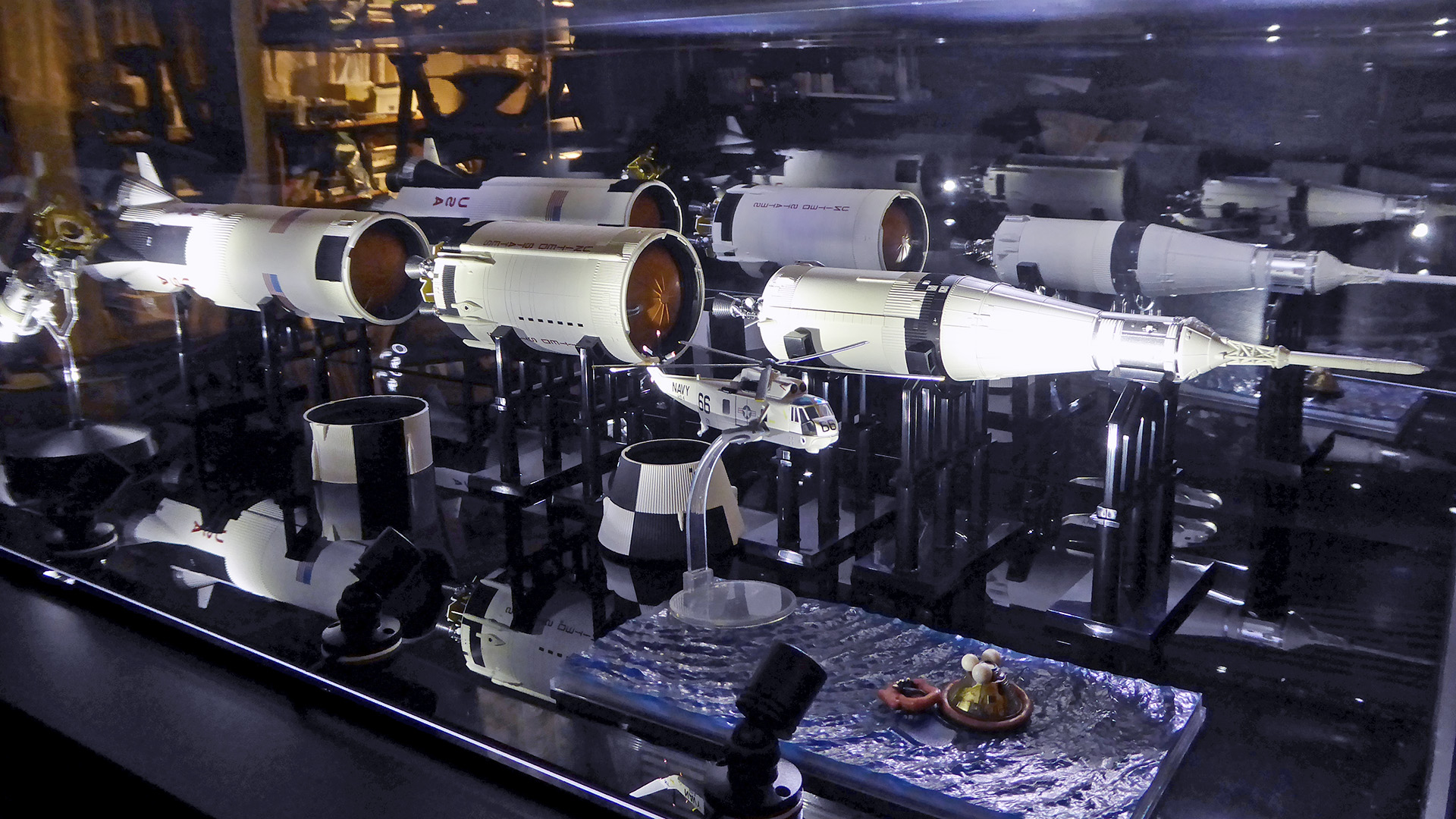
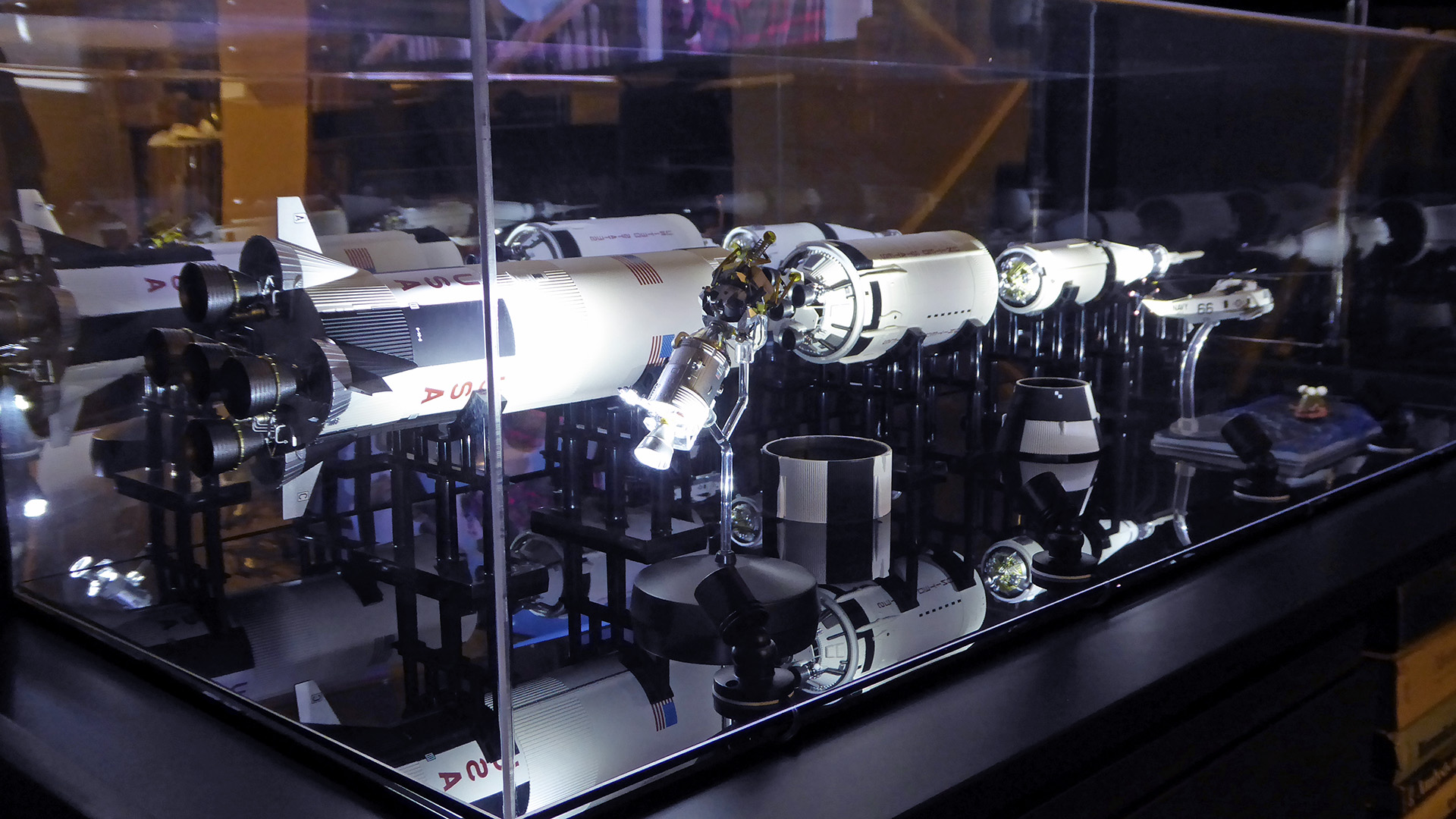
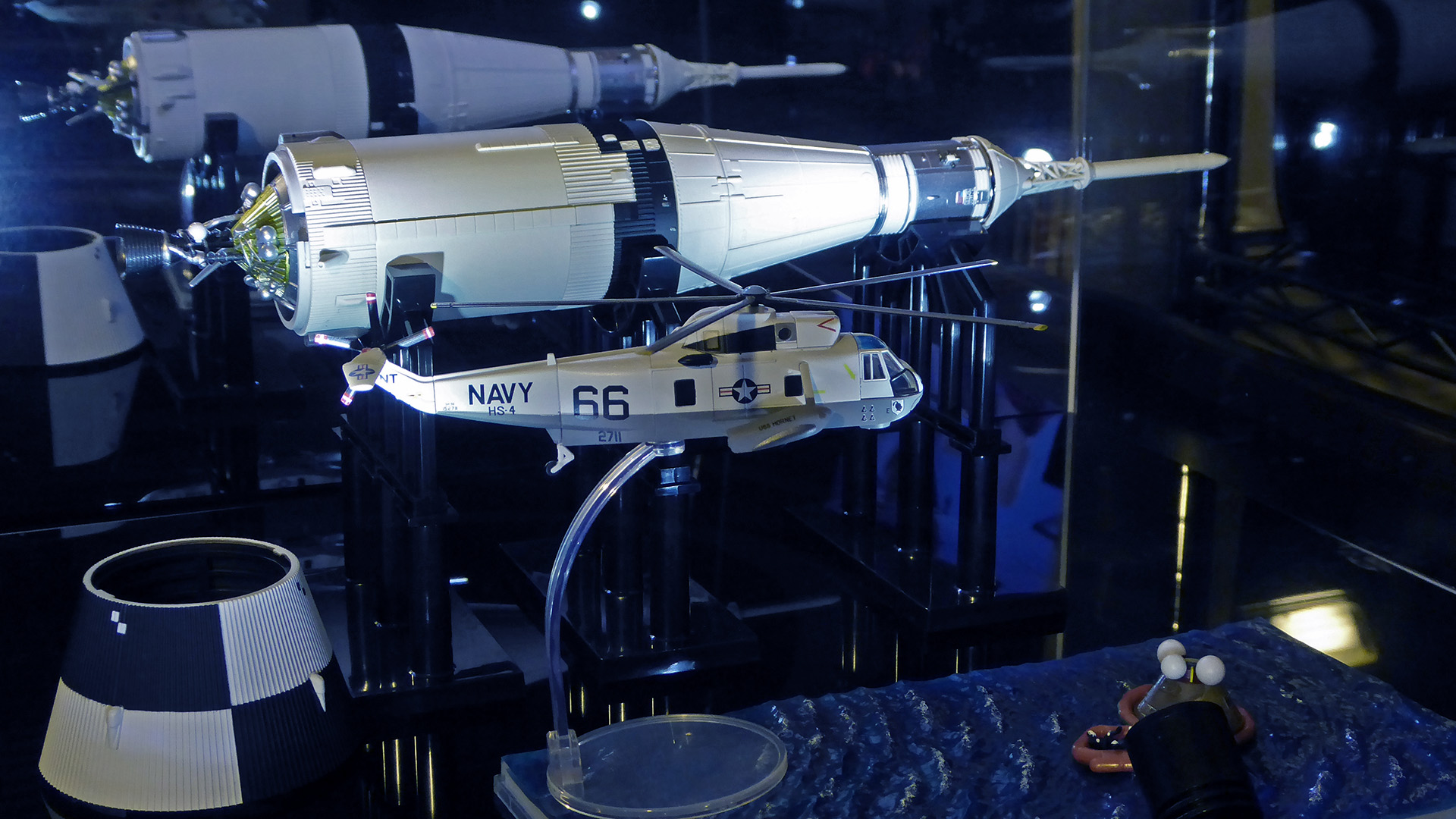
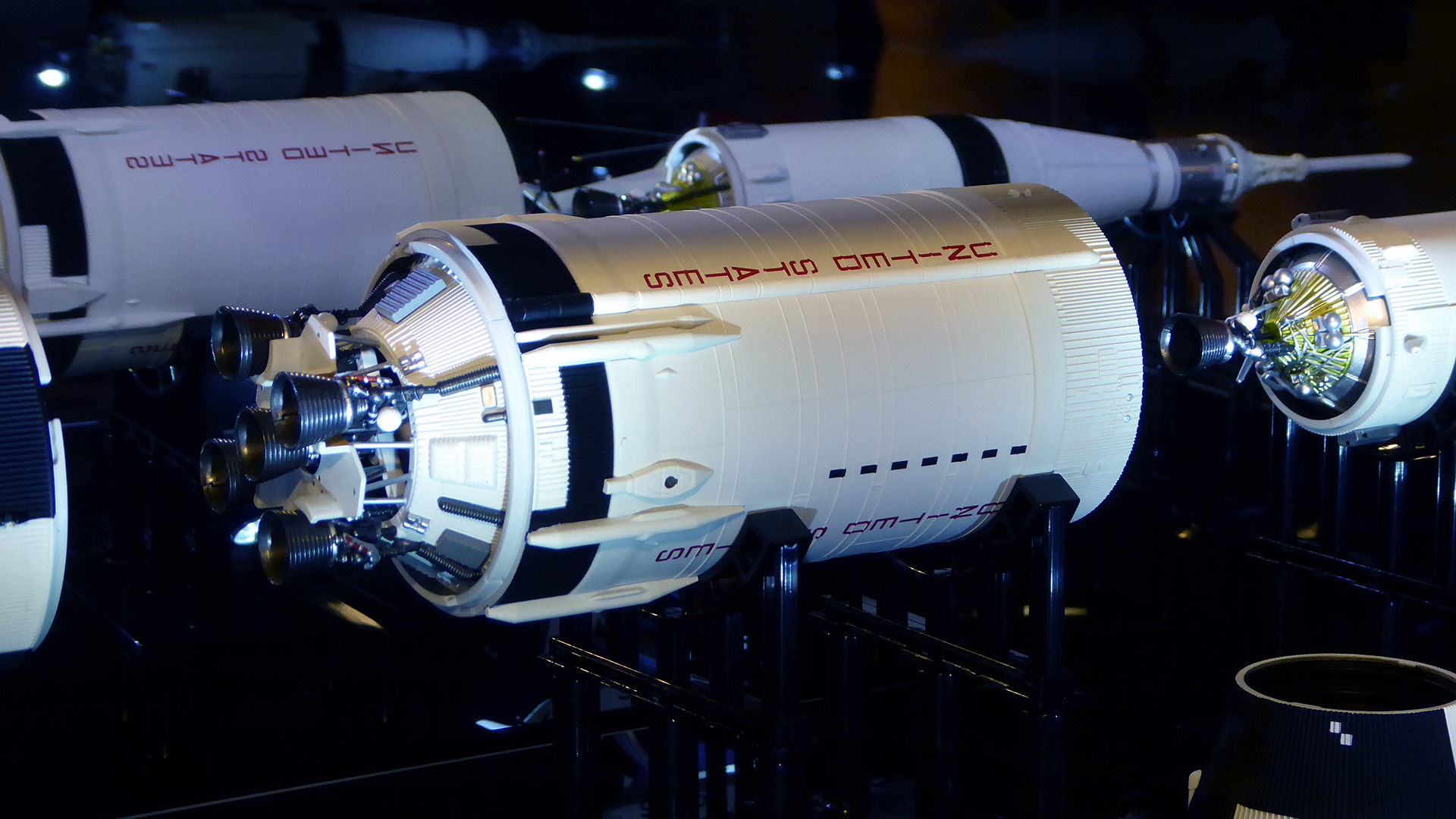
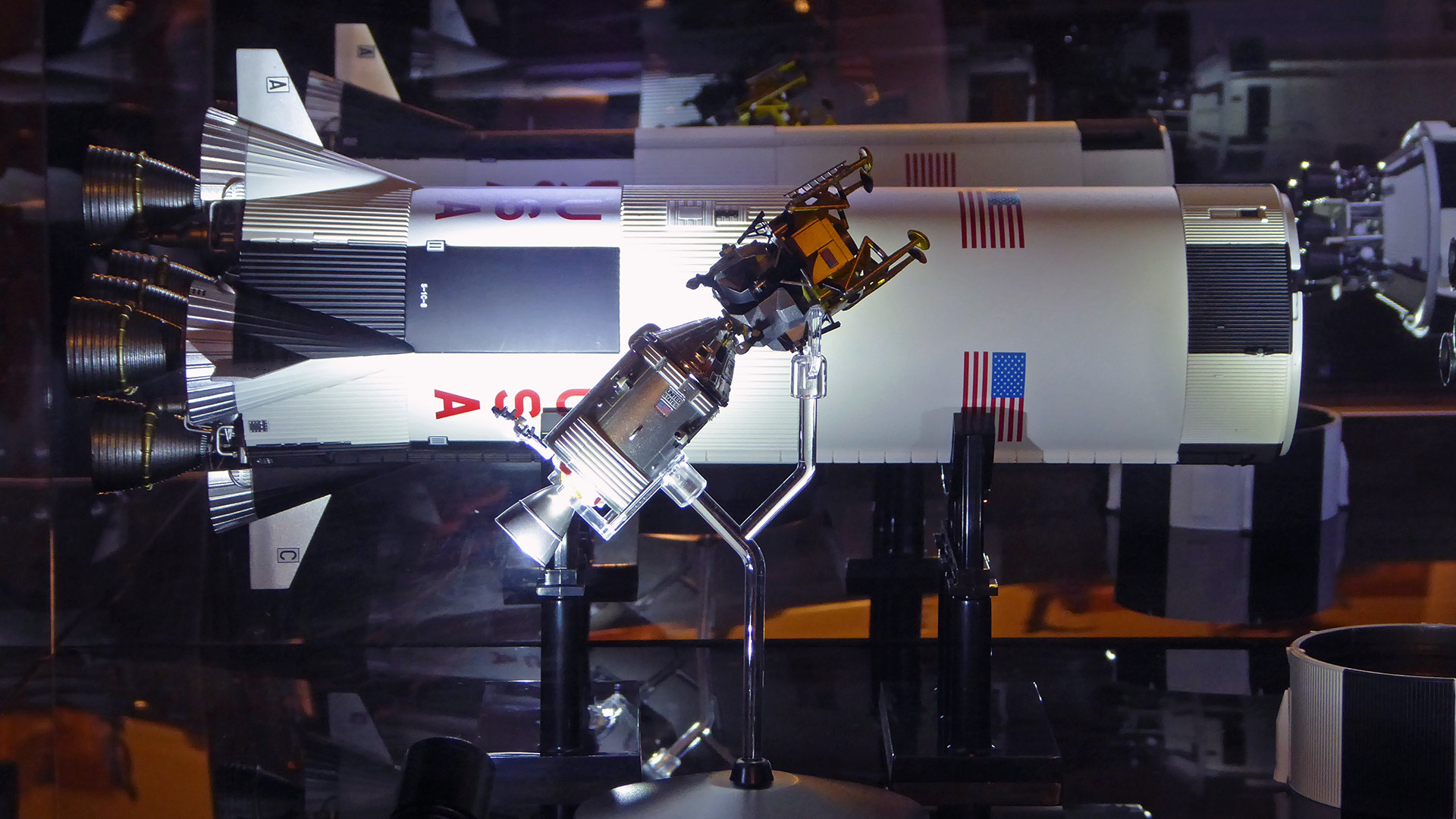
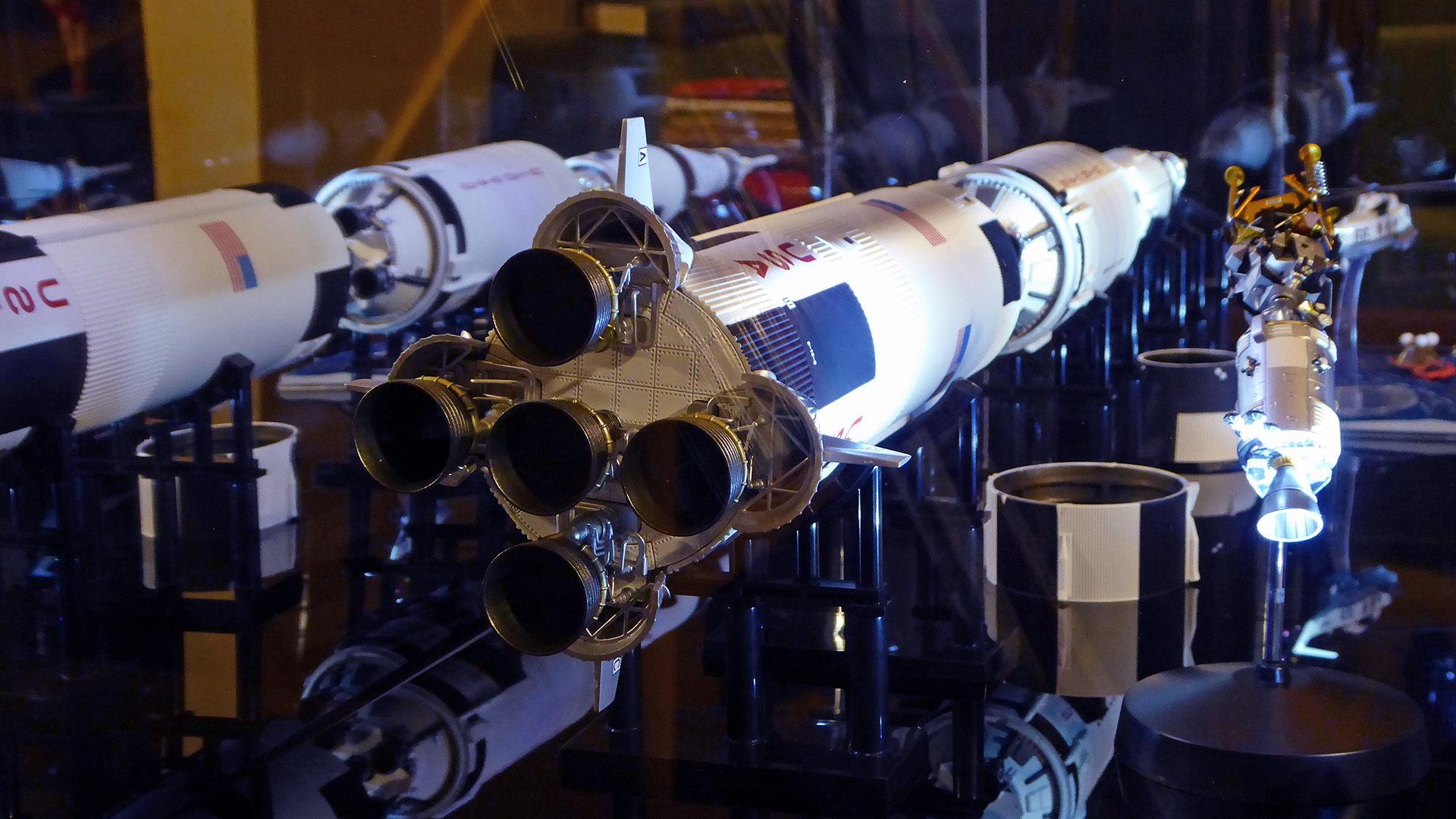
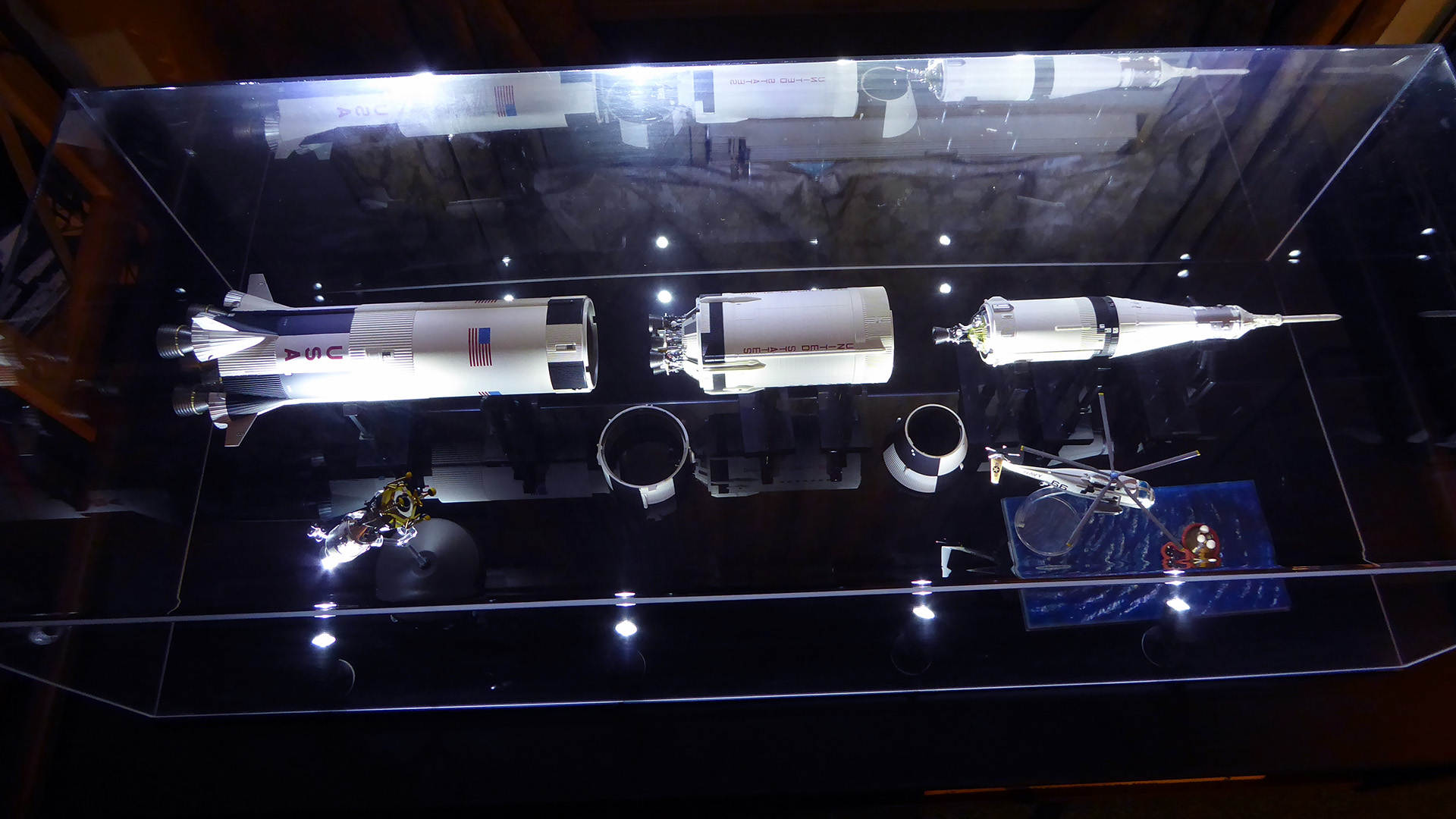
I’ve been waiting for more than a year to see if Bandai in Japan might re-issue their gorgeous 1:144 Saturn V model, which is almost three feet long, in time for the 50th anniversary of Apollo 11, but now that we’re just a few weeks away, it doesn’t appear they’re going to. Prices for the limited quantities of used models and really limited remaining quantities of new ones are not that far apart, and I’m thinking they may rise sharply as 20 July looms, so I got a new one from Japan a few weeks ago – cost approximately a bundle. I haven’t had a Saturn V model since the age of nine, when I built Revell’s kit as the Apollo missions progressed before me. This one, with die-cast metal engines and so precisely and carefully crafted and painted, is considerably nicer.

Following my love of things of high quality, I started thinking about the best way to display the model. First, I found a set of remote control mini LED spotlights in the cool white spectrum to approximate the xenon arc searchlights used at Kennedy Space Center Launch Complex 39. The remote allows brightness control in 10% increments, and it’s now programmed onto my Logitech Harmony One, so I still have just one remote for everything.

Once I had the model in hand, I decided on dimensions for its case, and commissioned Specialty Plastics in Ohio [2024 update: I removed the link because they’re no longer in business] to build a quite splendid mirror-backed acrylic display case, 36″ wide x 14″ deep x 10″ high.

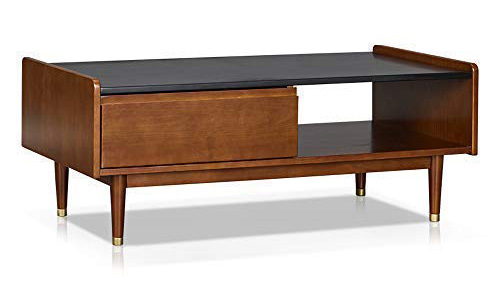
Then I started looking around for an appropriate table to put the case on. As I browsed, I halfheartedly saved three or four okay-but-not-great designs, but was then delighted to find this low-slung coffee table with a strong 1950s/1960s vibe whose design fits nicely with the model and its case. The name of the design wasn’t specified on Amazon, but the box it came in said it’s called Manhattan Age. Perfect.

The coffee table arrived last week, so I had that assembled and waiting. When FedEx arrived with the display case yesterday, I was rather busy making Parker House rolls, a double recipe of Comfort Diner meatloaf, roasted garlic mashed potatoes, butter-braised carrots, and crème brûlée for dinner guests coming over last night, but I forgot about all that stuff for an hour or so and set everything up.

The final and quite satisfying result is pictured here.

S-IVB third stage, Spacecraft Lunar Module Adapter, Command and Service Module, and launch escape tower, with recovery helicopter in foreground

S-II second stage

S-IC first stage with CSM and Lunar Module in foreground


The business end

From above the case